



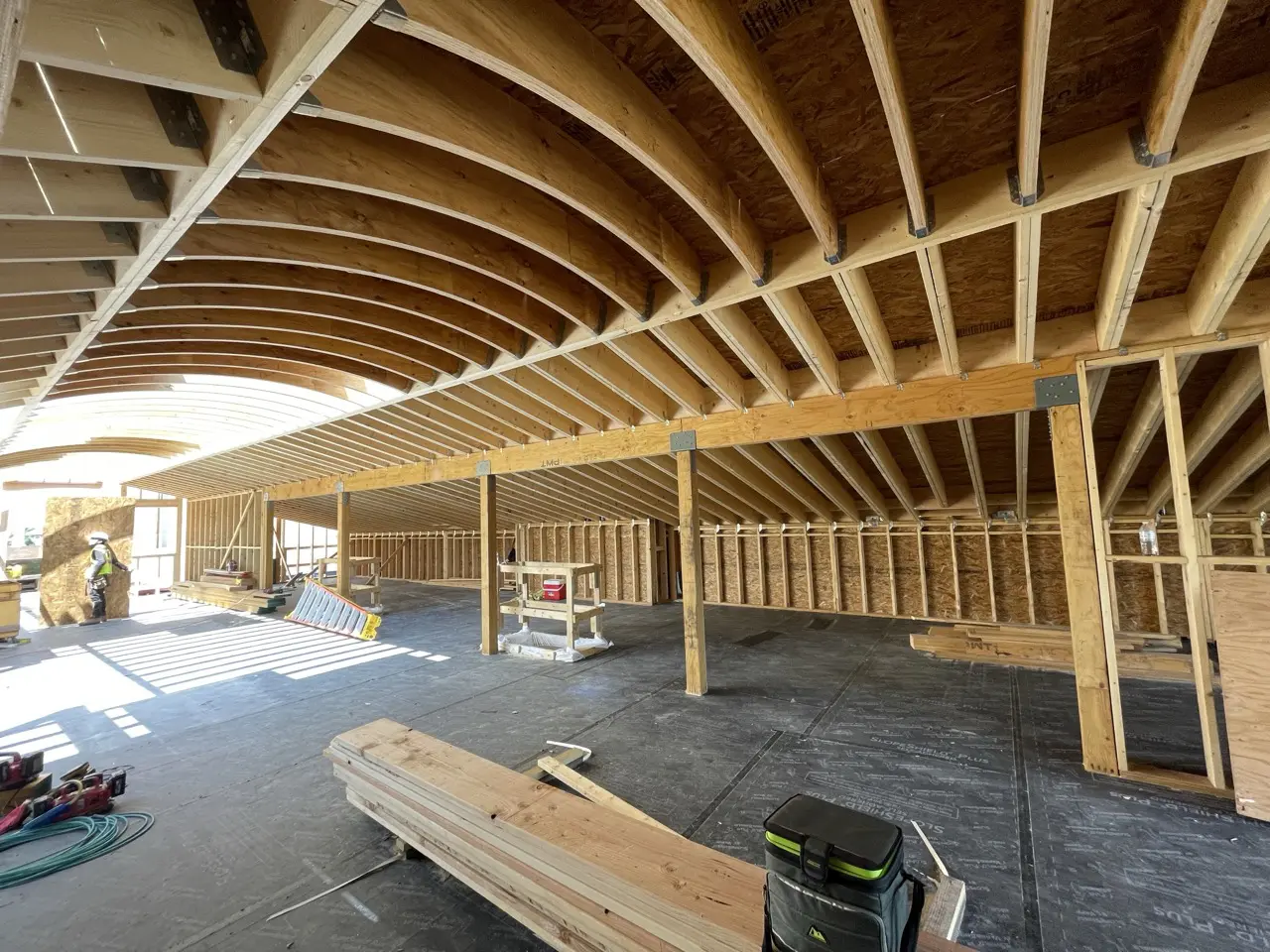


Sustainable Construction in 2026: Why Efficiency, Carbon Reduction, and Constructability Are Converging
Quality Buildings LLC
4,173 followers
May 21, 2026
The construction industry has always faced pressure from multiple directions at once: labor shortages, schedule compression, rising operational costs, material volatility, and increasingly complex project coordination. But in 2026, another reality is becoming impossible to separate from those conversations:
Sustainability is no longer operating independently from project execution.
It’s becoming directly tied to cost control, labor efficiency, constructability, schedule reliability, and long-term asset performance.
That shift is changing the way developers, architects, contractors, and owners evaluate building systems and delivery strategies.
The conversation is no longer simply:
“Is this building sustainable?”
It’s increasingly:
“Can this project perform sustainably and execute predictably?”
The projects gaining traction in today’s market are the ones aligning both.
Sustainability Priorities Have Expanded
A few years ago, sustainability conversations in construction were heavily focused on operational energy use and basic material sourcing.
Today, the priorities are broader and more interconnected.
Owners and project teams are increasingly focused on:
- embodied carbon reduction
- schedule efficiency
- waste minimization
- resilient supply chains
- labor optimization
- construction waste reduction
- prefabrication and industrialized construction
- long-term operational performance
- digital coordination and clash reduction
- lifecycle thinking and circular economy strategies
In other words: sustainability is moving upstream into design, constructability, procurement, and execution strategy.
The question is no longer just what gets built. It’s how efficiently and predictably it gets built.
Article content
These are the levers we use at Quality Buildings to help owners and GCs hit the 2026 sustainability and execution priorities shown above.
Why Prefabrication Continues to Gain Momentum
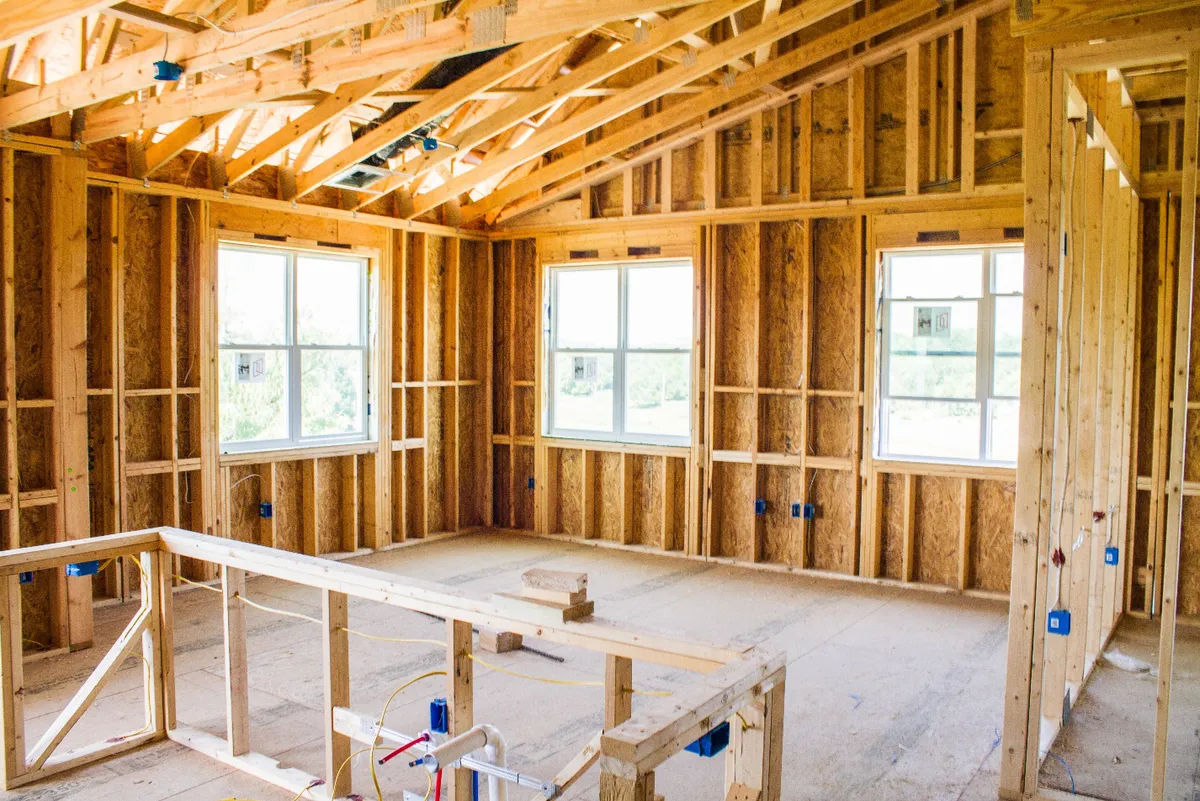
One of the clearest examples of this shift is the continued growth of prefabrication and offsite construction strategies. While prefab was once viewed primarily as an innovation play, many teams now evaluate it through a much broader lens: risk reduction.
Offsite framing and prefabrication strategies can help reduce:
- onsite labor congestion
- material waste
- weather exposure
- schedule uncertainty
- rework caused by coordination gaps
- safety exposure associated with crowded sites and prolonged installation durations
At the same time, prefabrication can improve:
- quality consistency
- sequencing predictability
- installation speed
- site cleanliness and safety
- labor efficiency
- dry-in timelines
As labor markets remain tight and schedules remain compressed, those advantages become increasingly valuable.
Sustainability and Constructability Are Becoming the Same Conversation
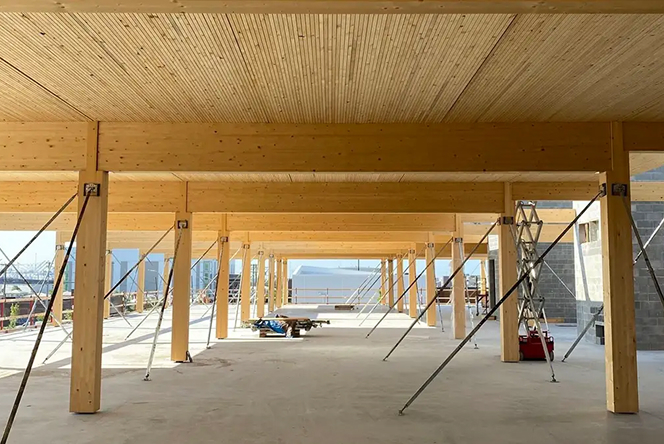
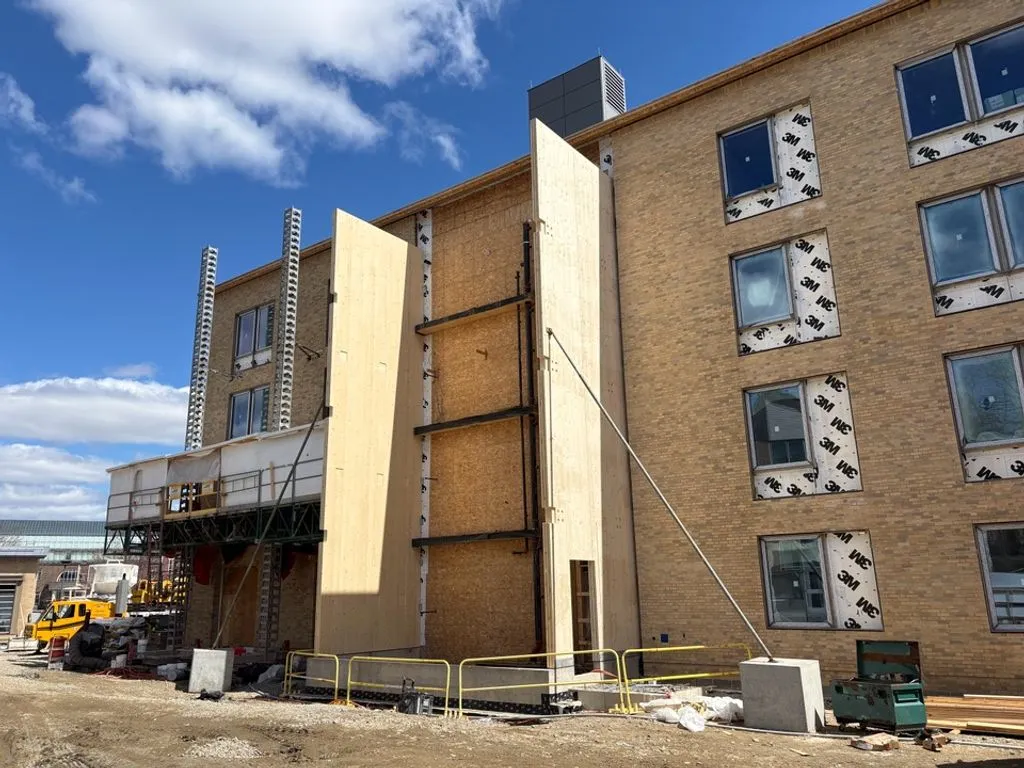
One of the biggest shifts happening in 2026 is that sustainability and constructability are no longer separate discussions. Efficient projects are often more sustainable projects. Reducing rework reduces material waste. Improving BIM coordination reduces unnecessary fabrication and field modifications. Shortening schedules reduces equipment runtime, temporary protection exposure, and jobsite inefficiency. Prefabrication reduces onsite disruption and material handling. Mass timber reduces embodied carbon while supporting faster, cleaner installation.
The most forward-looking project teams are recognizing that sustainable construction is not just about selecting low-carbon materials. It’s about reducing friction across the entire project lifecycle.
The Role of Digital Construction
Technology is also playing a larger role than ever before in sustainable project delivery.
BIM/VDC coordination, constructability modeling, clash detection, and installation sequencing are no longer simply coordination tools—they are waste reduction tools. When teams solve conflicts digitally before fabrication and installation begin, they reduce:
- material waste
- field rework
- schedule drag
- trade congestion
- excess transportation and handling
- unnecessary labor hours
Digital coordination is increasingly becoming one of the most practical sustainability strategies available to project teams. Not because it sounds innovative— but because it improves execution.
What QB is Watching Next
Over the next several years, we expect several trends to continue accelerating:
✔ Earlier Design Assist Engagement
Owners and GCs increasingly want constructability, prefab analysis, and installation strategy input during SD and early DD while systems are still flexible.
✔ More Focus on Embodied Carbon
Material selection conversations are expanding beyond operational energy to include lifecycle carbon impacts and material sourcing transparency.
✔ Increased Demand for Prefabrication
Labor constraints, schedule sensitivity, and waste reduction goals continue pushing more teams toward industrialized construction approaches.
✔ Greater Emphasis on Execution Predictability
Sustainability goals increasingly need to align with real-world installation efficiency and field realities—not just conceptual design intent.
The Bottom Line
Sustainable construction in 2026 is no longer just about building “greener.” It’s about building smarter.
The teams gaining the most traction are the ones connecting: design, constructability, digital coordination, prefabrication, installation strategy, and carbon reduction into one integrated process. Because ultimately, the most sustainable projects are often the ones with: less waste, less rework, less downtime, less inefficiency, and greater certainty from design through installation.
At QB, that integrated approach continues to shape how we approach efficient project delivery: mass timber, prefabrication, digital construction, Design Assist, from the very beginning.
Got a project to discuss?
Evan Rineer for Prefab Framing projects
Scott Charney for Mass Timber projects